
Call us now :08045479217
 Send Inquiry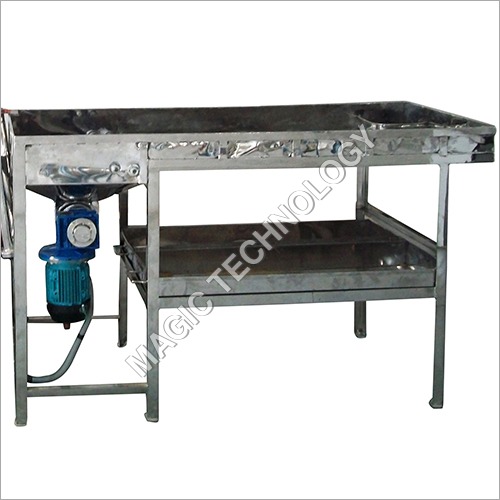
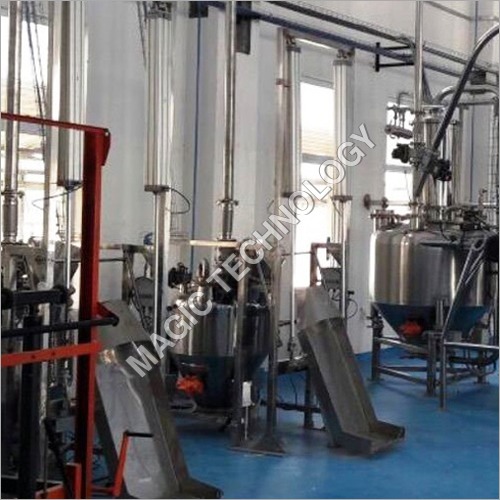
Sorting Conveyor Table
Product Details:
- Frequency 50/60 Hz
- Automation Grade Automatic
- Machine Type Conveyor
- Operating Temperature 0°C to 45°C
- Power Source Electric
- Speed Mode Variable Speed
- Noise Level Low
- Click to View more
X
Sorting Conveyor Table Price And Quantity
- 1 Piece
Sorting Conveyor Table Product Specifications
- 50-200 kg/hour
- Sorting Conveyor Table
- Rectangular
- Industrial Sorting and Packing
- Manual/Automatic
- Single / Three Phase
- Easy Cleaning, Robust Construction
- Floor Mounted
- 220-240 V
- No
- Stainless Steel / Mild Steel as required
- 0.75 kW
- Electric
- 0°C to 45°C
- Metallic Silver
- Variable Speed
- Yes
- Automated Conveyor Table
- Sorting and Conveying
- Low
- PLC Control
- Approx. 150 kg
- Conveyor
- Stainless Steel
- 50/60 Hz
- Customized (e.g. 3000 x 800 x 850 mm)
- Automatic
- Optional Castor Wheels
- Mirror/Matte/Polished
- Customizable
- Heavy-duty structure
- Adjustable
- Adjustable up to 40 m/min
- Emergency Stop, Side Rails
- Unidirectional/Bidirectional
- Push Button Panel/Touch Control optional
- PVC/PU/Modular Plastic depending on application
- Gear Motor
- Food Grade/Oil Resistant on request
Sorting Conveyor Table Trade Information
- Cash Advance (CA), Cheque
- 50 Piece Per Month
- 7 Days
- All India
Product Description
With optimum capabilities and rich industry expertise, we have been able to emerge as a trusted manufacturer and supplying of Sorting Table. It is designed by using superior quality materials with modern working methods. This provided range is mainly used in pharmaceutical and food industry for sorting out bad products. Besides, Sorting Table is easy to clean and maintain.
Versatile Design for Diverse Applications
With customizable belt width, finish, and length, the Sorting Conveyor Table accommodates various products and industries. Its robust construction and adjustable settings make it suitable for both food grade and industrial environments, ensuring optimal performance and easy integration into existing workflows.
Advanced Safety and Ease of Use
Safety features such as emergency stop buttons and side rails ensure operator protection, while user-friendly controlsavailable as push button panels or touch control interfacessimplify operation. Optional castor wheels allow easy relocation, and adjustable height supports ergonomic use for different operators.
Efficient, Low-Maintenance Operation
Engineered for high throughput (50200 kg/hour) with a powerful 0.75 kW motor, this conveyor guarantees reliable, continuous performance. The stainless steel construction resists corrosion, and thoughtful design allows for straightforward cleaning and low ongoing maintenance, minimizing downtime.
FAQs of Sorting Conveyor Table:
Q: How does the Sorting Conveyor Table operate and what control system is used?
A: The Sorting Conveyor Table runs automatically using a gear motor and is controlled via PLC (Programmable Logic Controller). Operation is managed through a user-friendly interface, with options for push button panel or touch control, ensuring precise and reliable functionality during sorting and conveying tasks.Q: What materials and surface finishes are available for the conveyor belt and structure?
A: Depending on the application, belts can be made of PVC, PU, or modular plastic, while the frame uses heavy-duty stainless steel or mild steel. Surface finishes for the table include mirror, matte, and polished options, supporting both aesthetic requirements and easy cleaning for food or industrial uses.Q: When is it advantageous to use a bidirectional conveyor movement?
A: Bidirectional movement is beneficial when products need to be transferred in both directions for sorting, packing, or assembly processes. It enhances workflow flexibility, especially in operations requiring sorting products into multiple destinations or reversing the conveyance flow without reconfiguring the system.Q: Where can the Sorting Conveyor Table be installed, and how customizable are its dimensions?
A: This conveyor is designed for floor-mounted installation and is versatile enough for use in manufacturing, food processing, packaging, and other industrial settings. Dimensions, belt width, and working height are all customizable to fit specific workspace layouts and operational needs.Q: What process steps ensure safe and efficient use of the conveyor table?
A: Operator safety is prioritized with the inclusion of emergency stop buttons and side rails. Before operation, users should ensure proper installation, set the desired speed, and confirm all safety features are active. Regular cleaning and maintenance support efficient, trouble-free performance.Q: Which industries benefit most from this automated conveyor table?
A: Industries involved in sorting, packaging, food processing, electronics, pharmaceuticals, and light manufacturing will benefit greatly. Its food-grade compatibility and oil-resistant options make it apt for complex industrial environments requiring thorough sorting and reliable product handling.Q: What are the main benefits of choosing this conveyor table over manual sorting systems?
A: Automating sorting and conveying increases throughput, reduces manual labor, and ensures more consistent product handling. The variable speed and adjustable features enhance productivity, while low maintenance and easy cleaning requirements reduce downtime and long-term operational costs.Tell us about your requirement

Price:
Quantity
Select Unit
- 50
- 100
- 200
- 250
- 500
- 1000+
Additional detail
Mobile number
Email

Other Products in 'Food Processing Machines' category

 Send Inquiry
Plot no V-19, Red Cross Road, MIE Part-B,Bahadurgarh - 124507, Haryana, India

Mr Rahul Kumar
(Proprietor)
Mobile :08045479217
 Send Inquiry
 Send SMS
Developed and Managed by Infocom Network Private Limited.
